Preloader

Why Professional Dog Training Matters for a Happier, Better-Behaved Dog

Bringing a dog into your home can be one of life’s most rewarding experiences. Dogs provide companionship, energy, affection, and plenty of personality. But even the most loving dog may develop behaviors that are difficult to manage without proper guidance.

Pulling on the leash, jumping on guests, barking excessively, ignoring commands, chewing household items, or struggling around other dogs can make everyday life stressful for both pets and their owners.

Professional dog training can help establish better communication, encourage appropriate behavior, and create a stronger relationship between dogs and their families.

Dog Training Is About More Than Obedience

When people think about dog training, they often picture a dog learning commands such as “sit,” “stay,” or “come.” These foundational skills are important, but effective training goes beyond memorizing commands.

A well-structured training program helps dogs understand what is expected of them in different situations. It can also teach owners how to communicate consistently with their dogs.

Training is ultimately a two-way process. Dogs learn new behaviors while owners learn how to reinforce those behaviors consistently at home.

Start With the Basics

Basic obedience provides the foundation for more advanced training. Commands such as sit, stay, down, come, and heel can give owners greater control in everyday situations.

Reliable recall, for example, can be particularly useful when a dog gets away from its owner or needs to return from a distracting environment. Leash skills can make walks more manageable, while a strong “stay” command can help a dog remain in place when necessary.

The key is consistency. Short, regular training sessions are often easier for dogs to understand and maintain than occasional, lengthy sessions.

Puppy Training Can Establish Good Habits Early

Puppies are naturally curious. They explore their surroundings with their mouths, paws, noses, and endless enthusiasm.

Early training can help establish household routines before unwanted behaviors become deeply ingrained. Puppies can begin learning appropriate behaviors around people, other animals, different environments, and everyday household situations.

Socialization is another important part of early development. Controlled exposure to new sights, sounds, people, animals, and environments can help puppies become more comfortable navigating the world around them.

However, every puppy develops differently. Training should take the dog’s age, temperament, environment, and individual needs into account.

Behavior Problems Require Understanding, Not Just Correction

Some dogs need more than basic obedience training.

Excessive barking, jumping, destructive chewing, separation-related behaviors, leash reactivity, fear, anxiety, or aggression can be challenging for owners to manage. Simply correcting the visible behavior may not address the factors contributing to it.

A professional trainer can help identify patterns and determine what may be triggering a particular response.

For example, a dog that barks whenever another dog approaches may be responding to excitement, frustration, fear, or a lack of appropriate social skills. Understanding the context can help determine a more appropriate training strategy.

Serious aggression or behavior associated with possible medical problems should also be evaluated with appropriate veterinary guidance.

Positive, Consistent Training Builds Better Communication

Training works best when dogs understand which behaviors are rewarded and reinforced.

Reward-based training can help dogs associate desired behaviors with positive outcomes. Food rewards, praise, play, attention, and other appropriate rewards can all be incorporated depending on the individual dog.

Consistency matters just as much as technique. If one family member allows a behavior while another consistently discourages it, the dog may receive confusing signals.

Creating clear household rules and using the same commands can make learning easier.

Professional Training Can Benefit Dogs of All Ages

Dog training is not limited to puppies.

Adult and senior dogs can also learn new behaviors, improve obedience, and develop better responses to everyday situations. An older dog may simply require a different pace and approach than a young puppy.

Whether a dog needs help with basic manners, leash walking, recall, socialization, or specific behavioral concerns, a personalized training approach can be more useful than trying to apply the same technique to every dog.

Training Should Continue at Home

Professional training sessions are only one part of the process.

Dogs need opportunities to practice what they learn in their normal environment. Owners can reinforce training through short practice sessions during walks, mealtimes, playtime, and everyday routines.

Consistency over time helps turn newly learned behaviors into habits.

The goal isn’t to create a dog that only behaves during a training session. The goal is to help dogs and their owners communicate effectively in real-world situations.

Build a Stronger Relationship With Your Dog

A trained dog isn’t simply a dog that follows commands. Training can create clearer communication, encourage confidence, improve everyday manners, and give owners practical tools for managing their pets.

At Simply K9 Training, dog training can be approached as an opportunity to better understand your dog’s behavior while building skills that support a more enjoyable relationship between you and your companion.

Whether you’re starting with a new puppy or looking for help with an adult dog’s behavior, professional guidance can provide structure, consistency, and a clearer path forward.

A better-trained dog starts with better communication. With patience, consistency, and the right training approach, you can help your dog become a more confident and well-mannered member of the family.

Reach us out at: raylenesimplyk9training@gmail.com
Therapy Dog Training: Helping Dogs Bring Comfort, Confidence, and Care with SimplyK9 Training

A wagging tail, a gentle nudge, and a calm presence can brighten someone’s entire day. Therapy dogs have a unique ability to provide emotional support, comfort, and companionship to people in hospitals, schools, nursing homes, and community settings. But behind every successful therapy dog is thoughtful training, patience, and a strong partnership between the dog and their handler.

At SimplyK9 Training, therapy dog training focuses on building reliable skills, positive behaviors, and the confidence dogs need to make a meaningful difference in people’s lives.

What Is Therapy Dog Training?

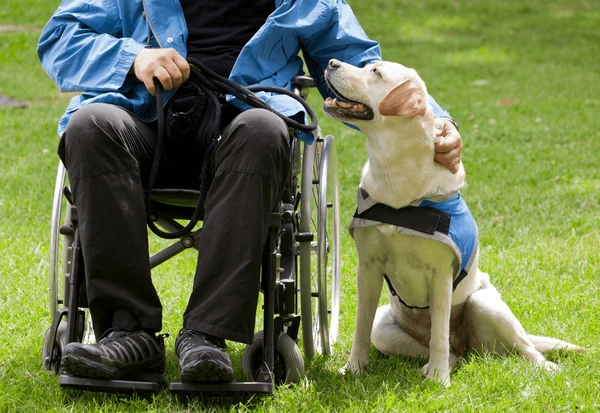
Therapy dog training prepares dogs to interact safely and calmly with people in a variety of environments. Unlike service dogs, which are trained to perform specific tasks for individuals with disabilities, therapy dogs provide comfort and emotional support to groups or individuals through friendly interactions.

A well-trained therapy dog should be comfortable around new people, unfamiliar surroundings, different sounds, and unexpected situations. Training helps dogs develop the manners and emotional stability required to become trusted companions in therapeutic settings.

The Qualities of a Great Therapy Dog

Not every dog needs to be a specific breed to become a therapy dog. Dogs of many sizes, ages, and backgrounds can succeed when they have the right temperament and training.

Some important qualities of a therapy dog include:

  • A calm and friendly personality
  • Confidence in new environments
  • Enjoyment of meeting different people
  • Strong focus and responsiveness to their handler
  • The ability to remain relaxed around distractions

Therapy dog training helps strengthen these natural qualities while teaching dogs the skills needed for real-world visits.

Essential Skills Taught During Therapy Dog Training

Successful therapy dogs need more than a friendly personality. They need reliable obedience skills and the ability to make good choices in busy environments.

At SimplyK9 Training, therapy dog training may focus on skills such as:

Basic Obedience

Commands like sit, stay, come, and down create a foundation for safe and controlled interactions. A dog that listens consistently is easier to handle in public spaces.

Loose Leash Walking

Therapy dogs often visit locations where calm movement is important. Walking politely beside their handler helps create a positive impression and keeps visits safe.

Impulse Control

A therapy dog may encounter loud noises, medical equipment, wheelchairs, excited children, or unfamiliar people. Training teaches dogs how to remain composed instead of reacting impulsively.

Socialization

Positive exposure to different environments helps dogs become comfortable in a variety of situations. Socialization is a key part of developing a confident therapy dog.

Handler Communication

A strong bond between the dog and handler is essential. Training helps handlers understand their dog’s body language, needs, and communication signals.

Why Professional Therapy Dog Training Matters

While many dogs are naturally loving and gentle, professional training provides structure and guidance. Therapy environments can be unpredictable, and dogs need to know how to respond appropriately.

Professional therapy dog training helps identify areas for improvement, build dependable behaviors, and prepare both dogs and handlers for successful visits. It also creates a stronger relationship based on trust, communication, and teamwork.

The Benefits of Becoming a Therapy Dog Team

The impact of therapy dogs extends far beyond the people they visit. Dogs also benefit from having a purpose, learning new skills, and spending quality time with their handlers.

Therapy dog teams can help:

  • Reduce stress and anxiety
  • Encourage social interaction
  • Provide comfort during challenging moments
  • Support emotional well-being
  • Bring joy to people of all ages

A therapy dog does not simply perform commands. They create connections. Their presence can turn an ordinary moment into one filled with comfort and happiness.

Start Your Therapy Dog Training Journey with SimplyK9 Training

Becoming a therapy dog team is a rewarding journey that requires dedication, practice, and the right guidance. With professional therapy dog training, your dog can develop the confidence, manners, and skills needed to positively impact the lives of others.

SimplyK9 Training helps dogs and their handlers build the foundation for success through personalized training, clear communication, and positive learning experiences.

Whether your goal is to visit hospitals, schools, senior communities, or simply strengthen your bond with your dog, therapy dog training can open the door to incredible opportunities. With the right preparation, your dog’s kindness can become a powerful gift shared with the world.

 How Pet Training and Behavior Modification Work Together for Better Results

Let’s be honest. Most dogs are not trying to be difficult. They are just reacting, learning, exploring, and trying to understand what gets them attention and what doesn’t. So when a dog jumps, barks, pulls on the leash, or ignores commands, it is not stubbornness.

It is confusion mixed with habit. And that is exactly where Pet Training and Behavior Modification step in. One shows the dog what to do. The other reshapes what the dog has already learned the wrong way.

When both come together, everything starts making sense for the dog. And life becomes easier for the owner too.

Pet Training is really about daily life, not just commands

People often think training is just sit, stay, and come. But real Pet Training is much more practical than that. It is about how your dog behaves in real situations.

Not in perfect training moments… but in real life. When someone knocks at the door. When a leash goes on. When another dog passes by. When food is on the table. That is where training actually shows its value.

Good Pet Training slowly helps your dog learn things like:

  • Walking without pulling like everything is urgent
  • Looking at you instead of getting lost in distractions
  • Sitting calmly when excitement is high
  • Waiting instead of rushing
  • Understanding simple boundaries in the house
  • Feeling more confident instead of reactive

And once a dog starts understanding these things, everything in daily life feels smoother. Less stress. Less shouting. More control.

Behaviour Modification is where real behaviour change actually happens

Now here is something important. Some behaviours don’t go away just by saying “no”. Because those behaviours didn’t appear overnight. They were built over time.

That is why Behaviour Modification is needed. It doesn’t just correct the behaviour. It looks at what is driving it. Fear. Excitement. Anxiety. Boredom. Overstimulation.

Something is always behind it. And once that “why” is understood, change becomes possible.

Behaviour Modification is usually used for things like:

  • Barking at everything and everyone
  • Jumping on people every time someone enters
  • Pulling hard during walks like there is no control
  • Panic when left alone
  • Fear-based reactions around strangers
  • Chewing furniture or destroying things
  • Overreacting to other dogs or sounds

The focus is not punishment. The focus is replacing the reaction with something calmer and better. Step by step. In a way the dog can actually understand.

Why Pet Training and Behaviour Modification work so well together

Here is the simple truth. Training alone is not always enough. And behaviour work alone is not enough either. Because they solve different parts of the same problem. Think about a dog that jumps on guests. Behaviour modification helps calm the excitement behind the jumping.

Training teaches the dog to sit instead of jumping. So now the dog is not just “stopping something”. The dog is learning a new way to behave. And that is where real change happens. One removes the habit. The other replaces it with structure. That combination is what makes results last.

Every dog learns differently, so the approach has to change too

No two dogs are the same. Some pick things up quickly. Some take time. Some are confident everywhere. Some get nervous in new places. That is why a Pet Consultation for Coaching & Training matters so much.

It is not random advice. It is understanding the dog first. What triggers them. What confuses them. What their daily life looks like. Then building a plan around that. Because when training fits the dog, progress becomes faster and more natural.

Things improve faster when everyone in the house is involved

Dogs don’t understand “different rules for different people”. They only understand patterns. If one person allows something and another doesn’t, the dog gets confused. That is why Family Dog Training is so important. Everyone starts speaking the same “language” to the dog.

Same commands.

Same rules. Same expectations. And suddenly the dog stops guessing. Things also improve more in Group Dog Training, because dogs start learning in real-world situations with distractions.

And for young dogs, Puppy Socialization Classes make a huge difference early on. New sounds. New people. New environments. All introduced in a safe way, so the puppy grows up confident instead of fearful.

Conclusion:

A well-behaved dog is never just luck. It is always built slowly over time. One walk at a time. One correction at a time. One better choice at a time.

  • Pet Training teaches the direction.
  • Behaviour Modification fixes the habits that got in the way.
  • A Pet Consultation for Coaching & Training sets the right path.
  • Family Dog Training keeps everyone consistent.
  • Group Dog Training builds real-world confidence.
  • And Puppy Socialization Classes shape behaviour from the very beginning.

When all of this comes together, it stops feeling like “training a dog”. It starts feeling like finally understanding each other.